If you're like me, you may be learning Spanish and starting to hear some phrases that don't seem to make any sense whatsoever.
The Spanish language, like many others, has a TON of phrases and sayings that are widely used. But unfortunately, the list is too vast to explain all of them in one blog post.
I am however going to try to explain a few of them, so that the next time you hear someone saying "sin ton ni son", you'll know exactly what they mean.
Most phrases in Spanish have a backstory, or something that is connected to the original use of the phrase. Sometimes the reason for having the phrase in the first place goes away and we are left with a phrase that is too common to be forgotten. These phrases are passed down from one generation to the next and before you know it, the origin is lost to time.
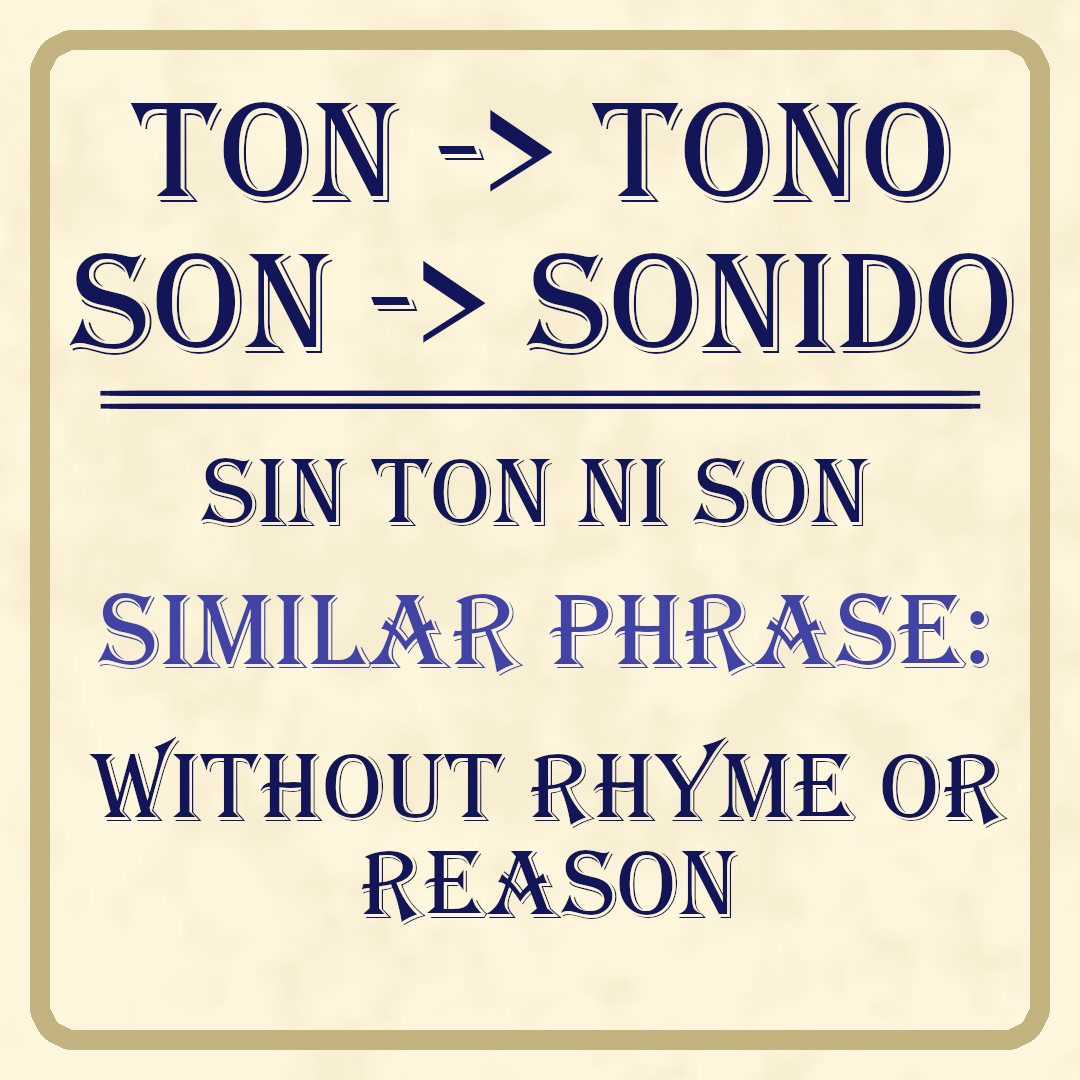
This phrase seems to be made up of random words. In English, a direct translation might look like "Without ton, nor they are". But this is beacause the words "ton" and "son" are actually abbreviations of the words "tono" and "sonido" respectively. Altogether meaning, "Without tone nor sound".
The origin of this phrase can be traced back to medieval times, when it referred to music that lacked order and rhythm. The meaning has changed a little to include anything that happens seamingly without reason.
Meaning:
"Without rhyme or reason"
Used when something is done or said without reason or cause, out of order or without sense.
Examples:
- La empresa hizo una decisión sin ton ni son
- Sin ton ni son, los precios empezaron a subir
- Estabamos esperando cuando, sin ton ni son, se echó a llover
- Todo el mundo está corriendo sin ton ni son
This one is a bit easier, but I wanted to include it because it may be confusing when you first see it. The phrase "por cabeza", is a very common phrase in English as well: "Per head", which is used often when counting costs. But what English does not have is the variation "por barba" or "per beard".
The two mean essentially the same thing, that one head or one beard accounts for one person.
Meaning:
"Per Person"
Used to tell the cost or ammount of something for each individual in a group.
Examples:
- Nos dieron €20 por cabeza para ir a la feria
- Las entradas cuestan unos €60 por barba
- La cena será €24 por cabeza
- Les diré 1 entrada por barba
Similar to English with the phrase "Right under someones nose", both phrases convey a meaning of doing something right in front of someone else while remaining undetected. But where did this phrase even come from?
Both the English phrase and the Spanish phrase stem from the placement of our nose. While our nose sits almost directly in front of our eyes, it is hard too see without focusing on it. Hence the idea of doing something in close proximity of being seen while remaining hidden.
Meaning:
"Right under someones nose"
Used to say that is something is done very close to someone without them noticing.
Examples:
- Los prisioneros escaparon en las propias narices de los guardias
- José robó la última galleta en la propia nariz de María
- El niño se fue en las propias narices de sus padres
- Lo escondieron en las propias narices de los demás
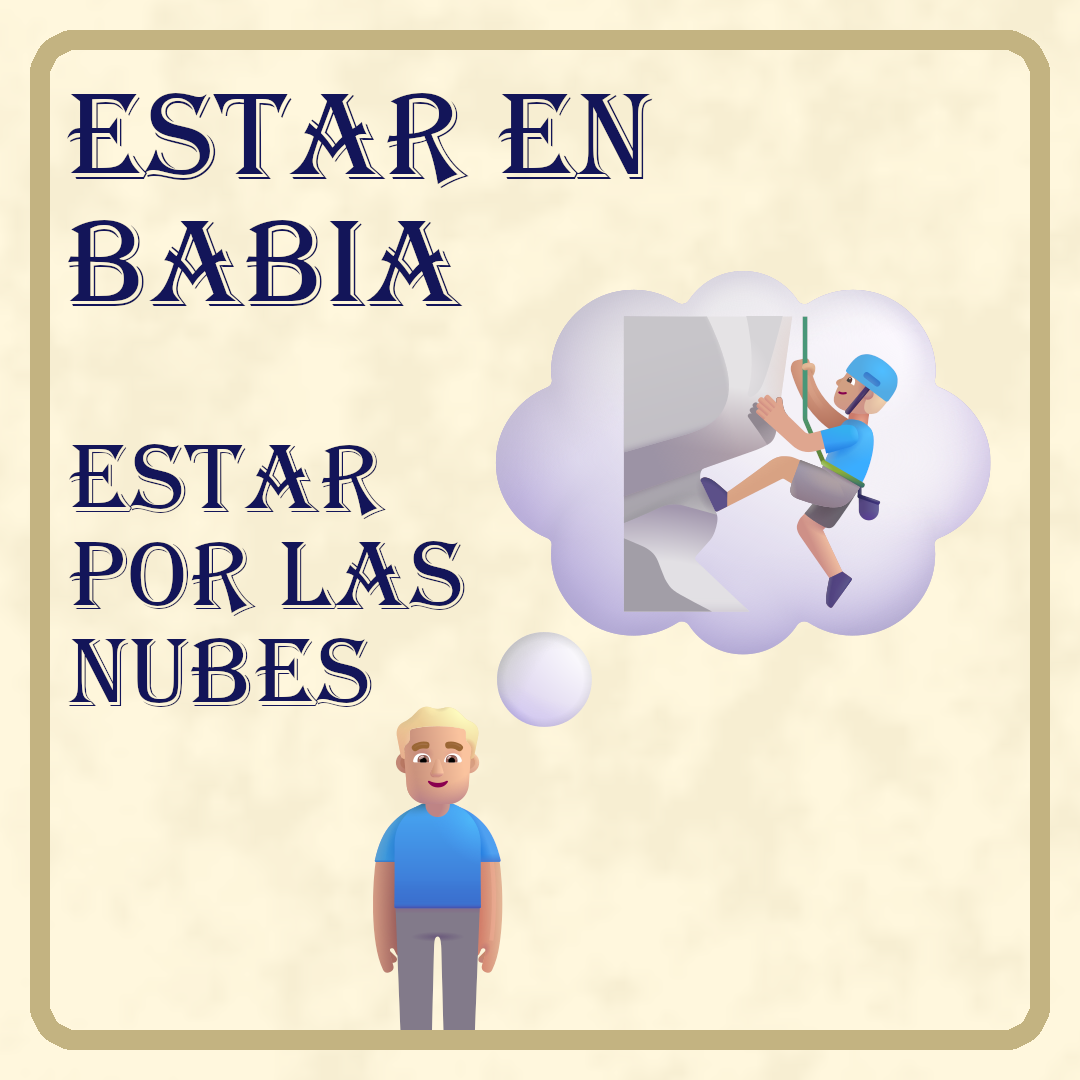
To understand this phrase, its important to understand that Babia is a real place in Northern Spain. Babia is a region located in the mountains of León, and was a popular retreat destination for kings and nobles in medieval times.
The phrase literally translates too "To be in Babia". When someone is in Babia, they are said to be distracted, or daydreaming. A similar phrase in Spanish is "Estar por las nubes" or "Head in the clouds".
Meaning:
"To be daydreaming"
Used when someone is not paying attention or is lost in their own thoughts.
Examples:
- Carlos escuchó nada porque estaba en Babia
- Siempre está en Babia cuando está trabajando
- Ella estaba en Babia y no notó que yo le llamé
- Tuvo que decir la misma cosa dos veces porque estabas en Babia
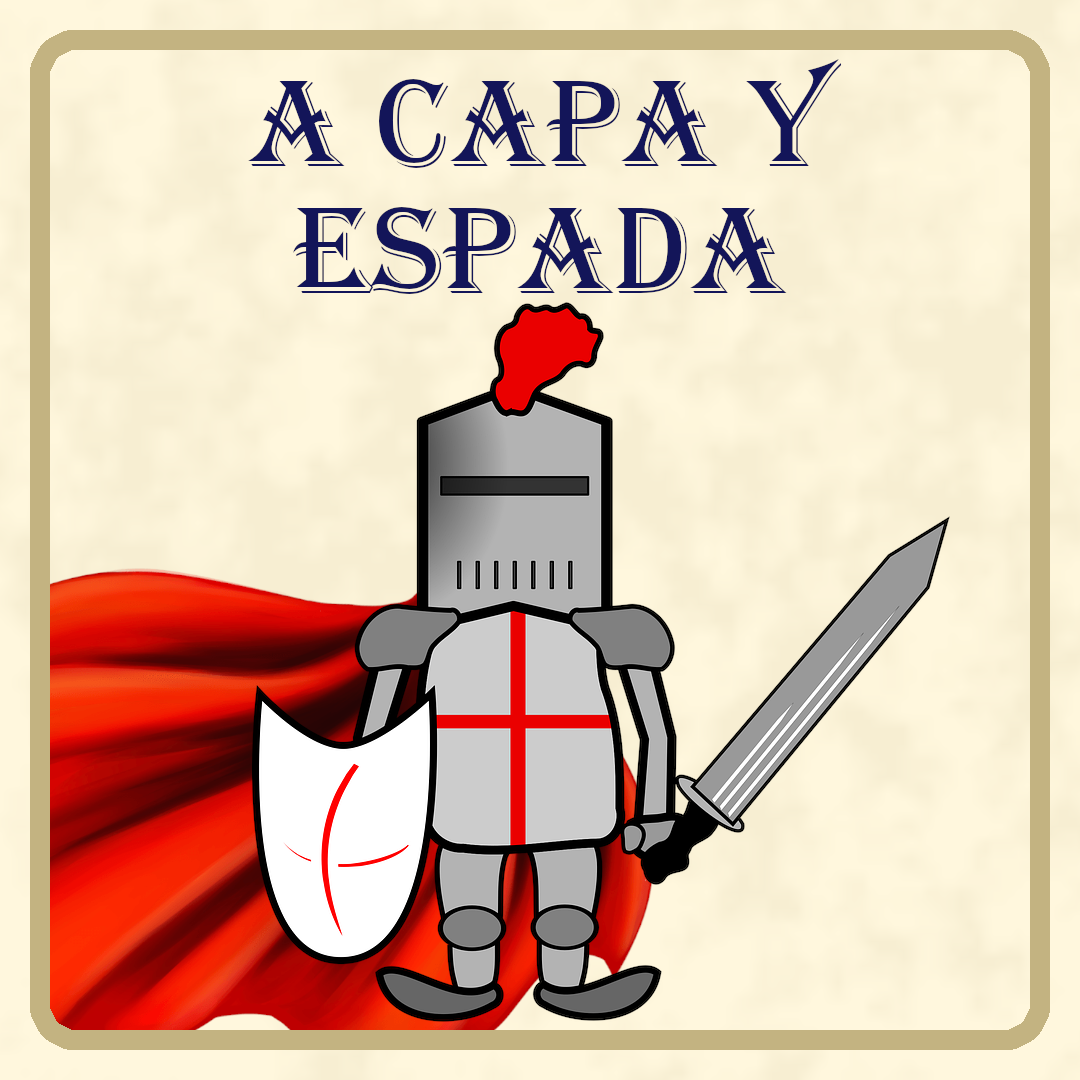
This phrase in English translates to "with cloak and sword". In medieval times, this phrase would be used as a way to express the willingness to defend something fiercely. This is because cloaks and swords were something often carried by knights in order to defend their territory.
Meaning:
"Tooth and nail", "Defend fiercely and with great determination"
Used to emphasize the ammount you are willing to defend something.
Examples:
- Defendió su opinión a capa y espada
- El ejército luchó a capa y espada
- Luchó a capa y espada para sus derechos
- El equipo defendió su posición a capa y espada durante el torneo
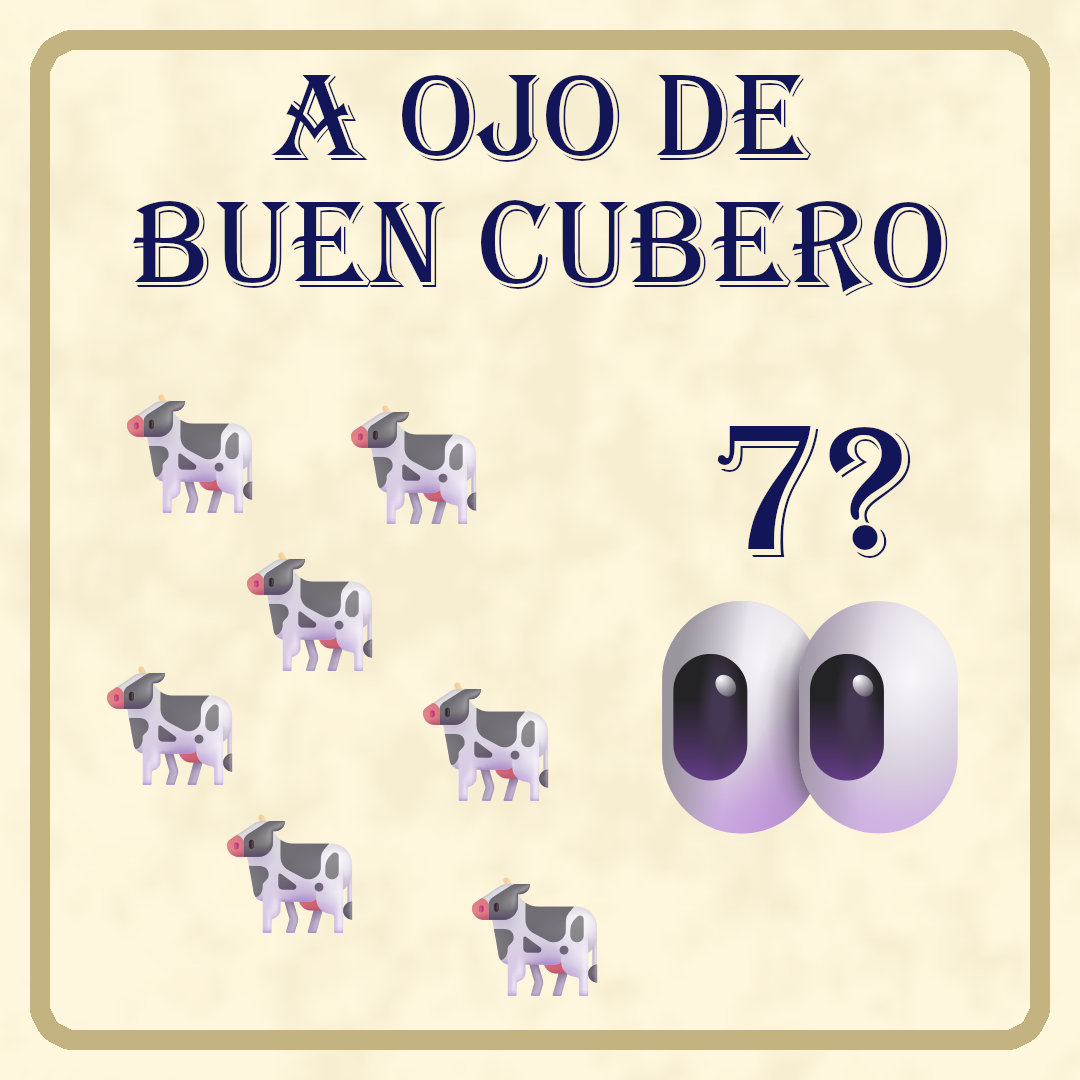
A "cubero" is someone who makes or repairs barrels. In English, we would call someone in this profession a cooper. The whole phrase translates to, "By the eye of a good cooper".
In ancient times, the barrels that were made by these coopers did not have a standardized sizing. Which is why coopers often had to have good judgement on the scale of their work.
Meaning:
"By an estimation"
Used when guessing or estimating something without precise measurements.
Examples:
- A ojo de buen cubero, había unos 60 personas
- La puerta mide, a ojo de buen cubero, 2.1 metros
- Necesitaremos, a ojo de buen cubero, unos 100 platos
- A ojo de buen cubero, el edificio tiene más de 50 pisos
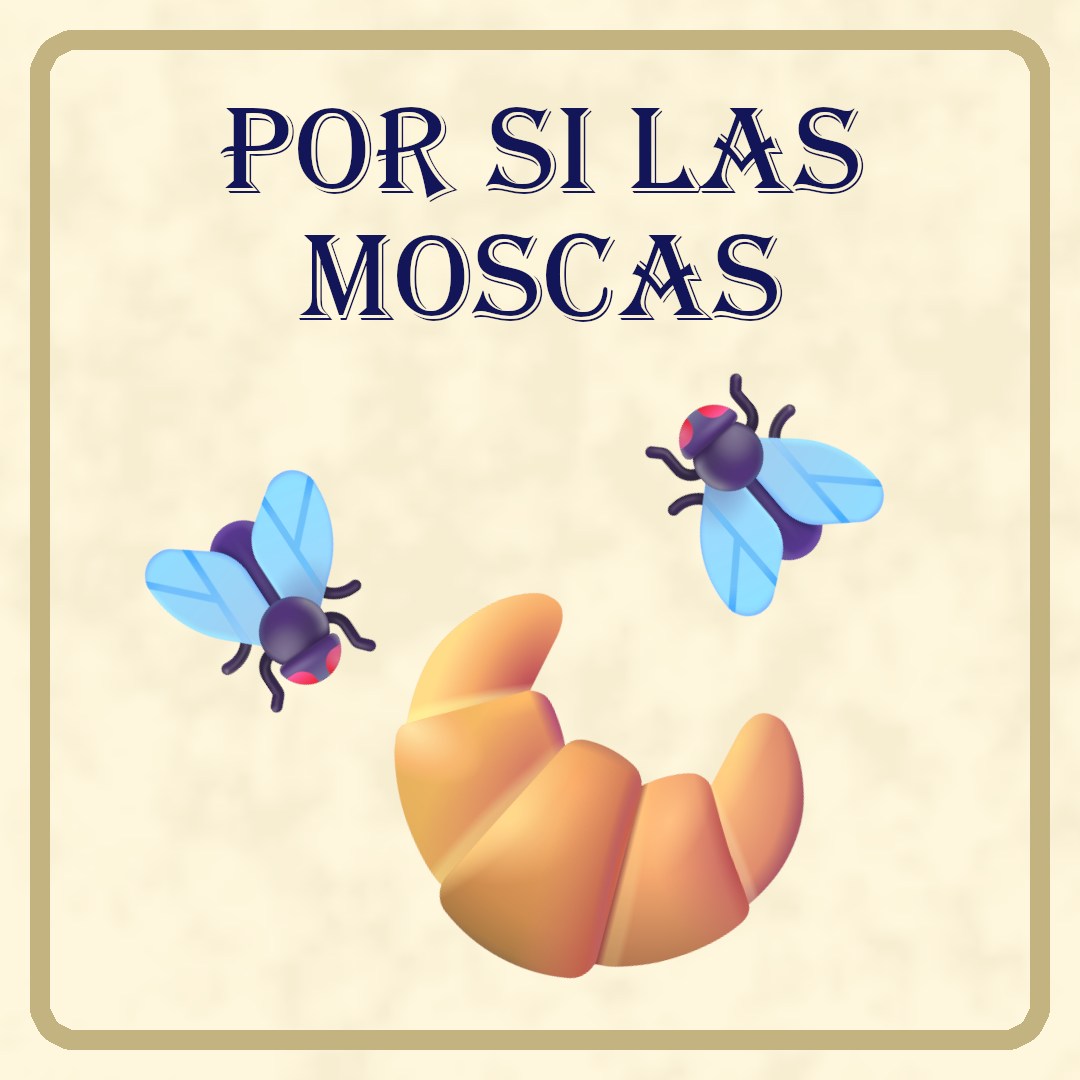
This phrase is one of the strangest on this list. In English it literally traslates to, "For if the flies". While it may seem random, it actually has a reason that will make it easier to remember once you know it.
The origin of this phrase comes from the act of covering food in order to protect it from any malicious flies. We dont cover food because there are flies nearby, but rather as a "just in case". And that is exactly what the meaning behind the phrase is.
Meaning:
"Just in case"
Used when a task is done in anticipation of something happening.
Examples:
- Por si las moscas, trae un paraguas
- Tenía dos boligrafos por si las moscas
- Tenemos que salir muy temprano por si las moscas
- Necesito que te quedes, por si las moscas
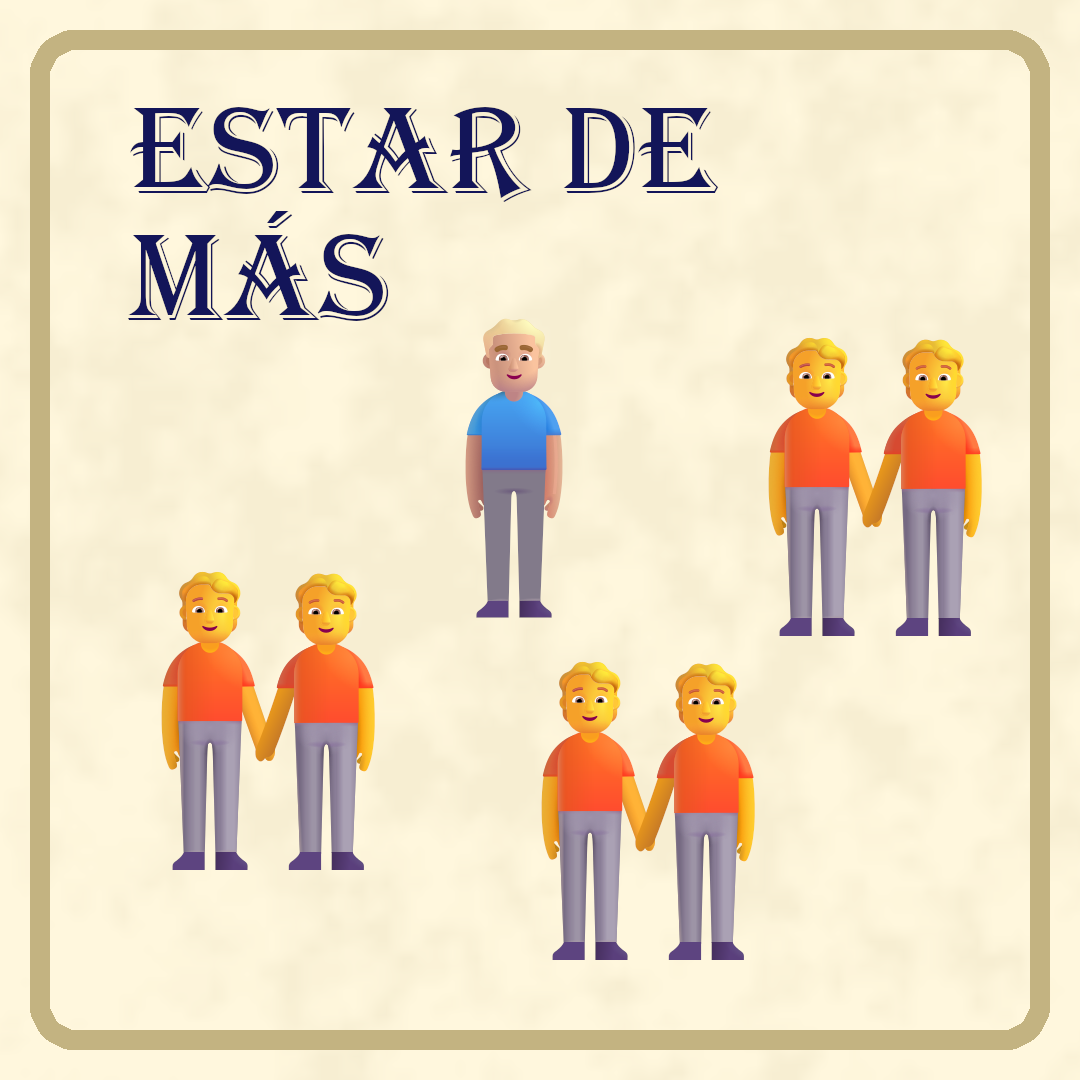
This one is also a bit easier, but maybe not obvious right away. The phrase traslates to, "To be too much", or in other words, it is used when there is a surplus of something.
What makes this phrase special is that it can be used for things OR people. When you tell someone that they are "de más", you're basically telling them that they are unnecessary in the current situation.
Meaning:
"To be unnecessary"
Used to express that something or someone is not necessary.
Examples:
- No digas eso, eso está de más
- Nadie le gusta a Pedro, su presencia está de más aquí
- Parecí estar de más en la fiesta
- Trajimos una batería extra pero estuvo de más
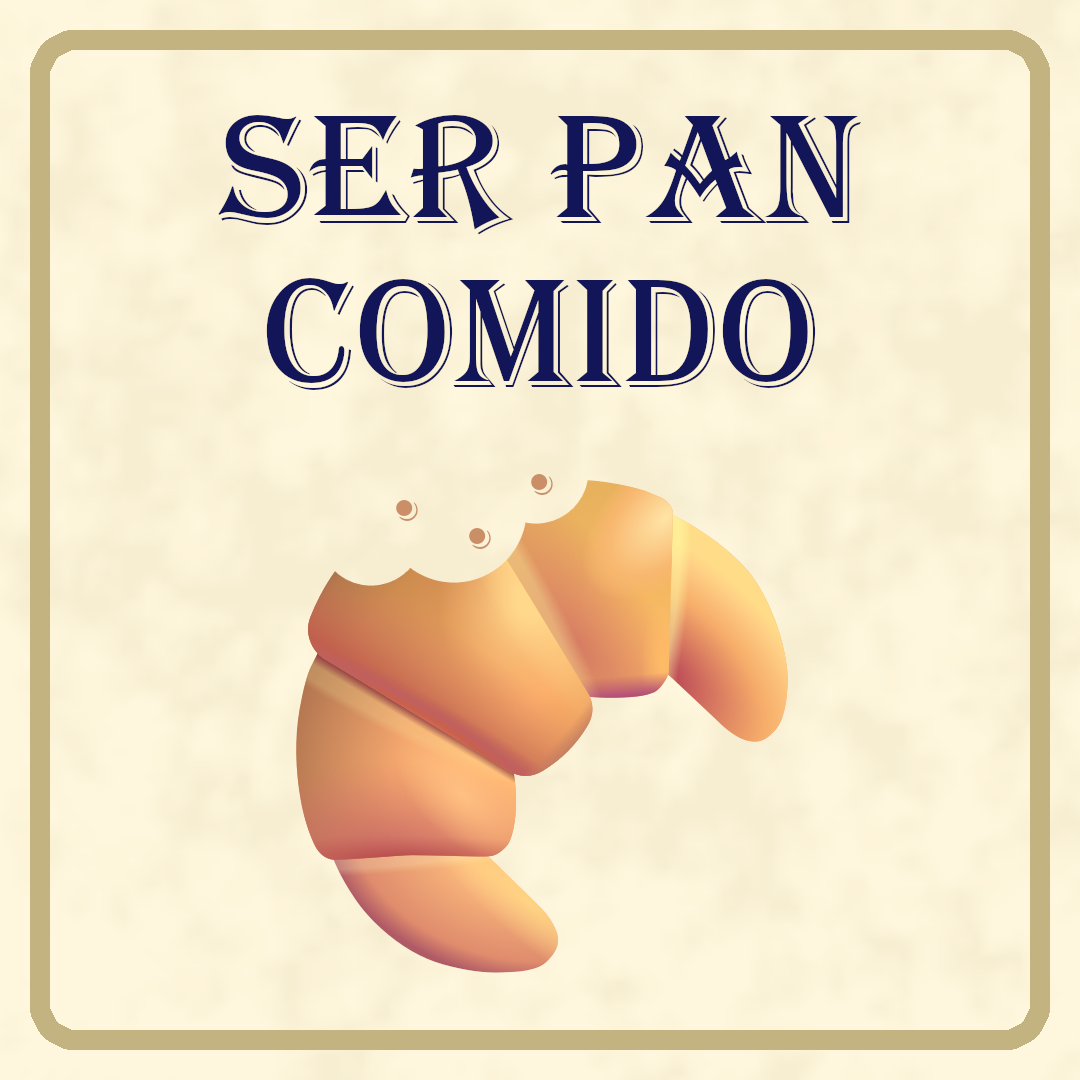
Very similar to the English phrase, "A piece of cake", this phrase is also used to show that something is very easy. The phrase literally translates to, "To be eaten bread". Bread is something that is very easy to obtain, which is most likely where this phrase originates from.
Meaning:
"To be easy"
Used to express the low difficulty of a task.
Examples:
- Aprobar el examen es pan comido
- No te preocupes, el proyecto será pan comido
- Encontrar el tesoro fue pan comido
- Aunque parezca difícil, en realidad es pan comido
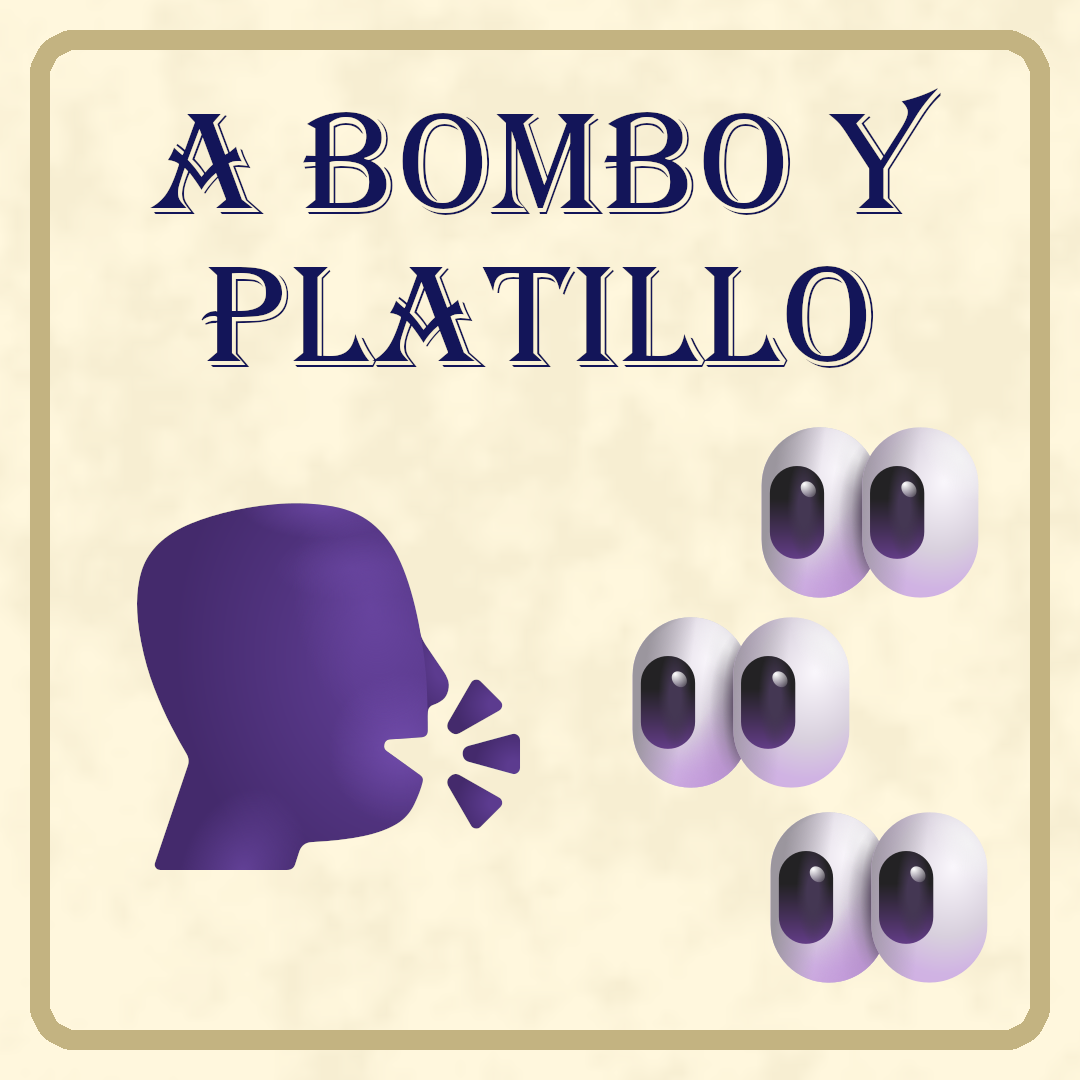
This phrase translates to, "To drum and cymbals". Looking at the translation you might be able to figure out what this phrase means. Both drums and cymbals are quite noisy instruments. When they are played, it is typically to be heard by everyone around.
The phrase can be used to show that whatever is being said is for eveyone around to hear. It puts emphasis on the volume of what is being said.
Meaning:
"With fanfare"
Used when expressing something in a show of celebration, or for everyone to hear.
Examples:
- Annunció su nuevo trabajo a bombo y platillo
- El presidente anunció su proposición a bombo y platillo
- A bombo y platillo, informó a la oficina lo que iba a pasar
- Encima de una mesa, dice sus sentimientos a bombo y platillo